
Public Liability Insurance for Small Businesses in Canberra: What You Need to Know
Running a small business in Canberra often means doing a bit of everything yourself. You might be answering emails in the morning, visiting a client after lunch, chasing an invoice in the afternoon and sorting out tomorrow's jobs before you finish for the day.
That is the reality of running a small business.
It is also why insurance can sometimes get pushed down the list of priorities until something goes wrong.
A customer trips at your premises. You accidentally damage a client's property while working. A piece of equipment causes unexpected damage. Someone claims they were injured because of something connected with your business.
These situations may never happen. But if one does, the financial consequences can be much bigger than the cost of preparing for the risk.
For many local businesses, public liability insurance for small business in Canberra is an important part of that preparation.
This guide explains what public liability insurance means, who may need it, how it can apply to Canberra businesses, what it may not cover, what can influence the public liability insurance cost Canberra businesses pay, and why the right level of cover depends on how your business actually operates.
Whether you are a sole trader, contractor, tradie, consultant, retailer, home-based business or growing company in the Australian Capital Territory, the key is to choose insurance based on your real work rather than simply buying the cheapest policy available.
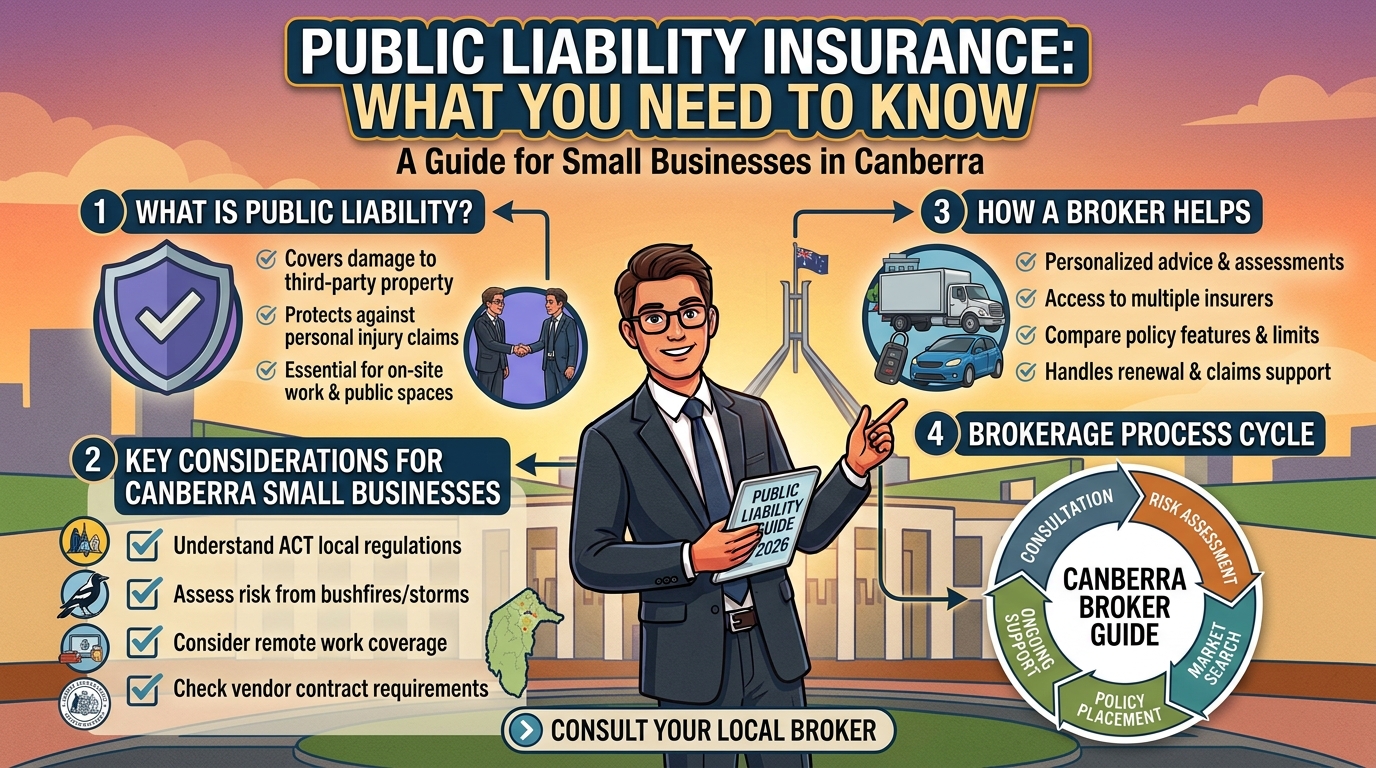
What Is Public Liability Insurance?
A simple public liability insurance definition is that it provides protection for certain claims involving injury to other people or damage to other people's property arising from your business activities, subject to the policy terms, conditions, exclusions and limits.
Australian Government guidance explains that public liability insurance can cover certain situations where someone dies, is injured or has their property damaged because of your negligence. It gives examples including a customer becoming ill from food and property damage such as causing a fire.
That sounds straightforward, but the important part is the phrase “certain claims.”
Public liability insurance is not a blanket policy covering everything that can go wrong in a business.
A small business may also need to think about professional indemnity, property, commercial motor, cyber insurance, workers compensation, product liability or other forms of cover depending on its activities.
That is why speaking with Canberra insurance brokers can be useful when you are trying to understand the bigger picture.
Why Do Small Businesses in Canberra Need Public Liability Insurance?
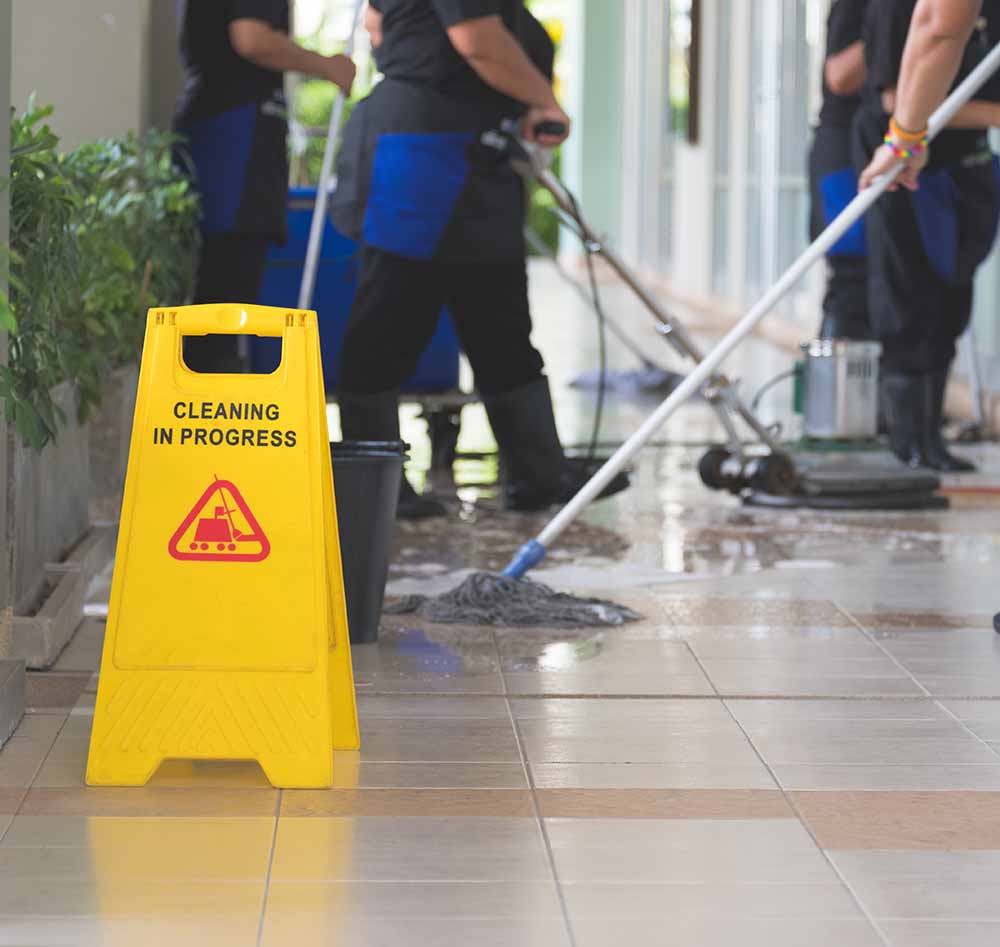
Imagine you run a small cleaning business in Canberra.
You are working at a client's office and accidentally damage an expensive item.
Or imagine you are a landscaper and a visitor is injured while walking through an area where your team is working.
Perhaps you run a café in Braddon and a customer slips near the entrance.
Or you are a tradesperson working in Hume, Fyshwick or Gungahlin and accidentally damage part of a customer's property.
The circumstances are completely different, but they have something in common: another person or business may claim that your business caused injury or property damage.
That is the type of risk public liability insurance is designed to address.
It can provide a financial safety net for eligible claims, including certain legal and defence costs, depending on the policy.
For a small business, that can be significant.
A large company may have more resources available to deal with an unexpected legal dispute. A sole trader or small business may not.
Is Public Liability Insurance Compulsory in Canberra?
This is one of the most common questions from small business owners.
Is public liability insurance legally required for every Canberra business?
No, not automatically for every business.
Whether you need public liability insurance can depend on your occupation, business activities, licences, contracts and industry requirements.
The ACT Government lists public liability among the common types of insurance businesses may need and advises businesses to understand the specific insurance requirements that apply to their business.
Some businesses may also be required to carry particular insurance as part of a contract.
For example, a client or principal contractor may require a contractor to provide evidence of public liability cover before work begins.
That means even when a particular business is not universally required by law to have public liability insurance, it may still be commercially necessary.
Before assuming you need it or do not need it, ask:
- Does my industry require it?
- Does my licence require it?
- Does my client contract require it?
- Do I work at customer premises?
- Do customers visit my premises?
- Could my business activities cause injury or property damage to someone else?
These questions often tell you more than a generic insurance checklist.
Who Should Consider Public Liability Insurance for Small Business?
There is no single type of business that needs public liability insurance.
It can be relevant to many small businesses across Canberra and the ACT.
Tradespeople
Electricians, plumbers, builders, carpenters, painters, tilers, handymen and landscapers often work directly on customer property.
That can create obvious third-party risks.
This is where contractor public liability insurance Canberra becomes an important search for many local tradespeople.
Sole Traders
A sole trader may assume that because the business is small, the risk is also small.
That is not necessarily true.
A sole trader working on-site can create the same type of third-party exposure as a larger business.
That is why sole trader public liability insurance Canberra is an important consideration for many independent operators.
Cleaning Businesses
A cleaner could accidentally damage flooring, furniture, equipment or another client's property.
Retail Businesses
A shop has customers entering the premises, moving around displays and interacting with products.
Cafés and Restaurants
Hospitality businesses deal with customers every day and may face risks involving the premises, food, products and day-to-day operations.
Event and Market Businesses
If you operate a stall, event business or temporary service, your insurance requirements may depend on the venue, organiser and duration of the activity.
Consultants and IT Contractors
Even businesses that work mostly from a laptop may need liability insurance if they visit client sites or interact with third-party property.
Contractor Public Liability Insurance Canberra: What Should Contractors Know?
Contractors are often among the first people to ask about public liability insurance.
There is a good reason.
Many contractors work on someone else's site, use equipment, move materials or interact with members of the public.
A mistake can create a claim that is far larger than the contractor expected.
Examples of contractor risks
A contractor could:
- Damage a client's wall while installing equipment
- Break a customer's property while working
- Cause damage to another part of a building
- Create a situation where a visitor is injured
- Damage equipment belonging to another business
- Accidentally cause a loss to a third party through their work
Public liability insurance may respond to eligible claims of this nature, depending on the policy.
Contract requirements matter too
A contractor may be asked to provide:
- A certificate of currency
- A minimum liability limit
- Evidence of current cover
- Specific policy wording
- Additional insured arrangements in some circumstances
This is one reason it is better to arrange insurance before starting the contract rather than after the client asks for proof.
Sole Trader Public Liability Insurance Canberra
Sole traders often wear every hat in the business.
You find the work, quote the job, do the work, send the invoice and deal with the customer afterwards.
That can make insurance feel like another administrative task.
But a sole trader can still face substantial liability exposure.
For example, a carpenter working in a Canberra home could accidentally damage property.
A photographer could cause accidental damage at a venue.
A mobile beauty professional could have a client claim an incident occurred during a service.
A landscaper could accidentally damage underground property during work.
The size of the business does not automatically determine the size of the potential claim.
This is why public liability insurance for sole traders deserves individual consideration.
What Does Public Liability Insurance Usually Cover?
The exact cover depends on the policy, so the policy wording always matters.
Generally, public liability insurance is designed around eligible claims involving third-party injury or property damage arising from the insured business activities.
That might include situations such as:
A customer is injured
For example, someone falls in an area connected with your business.
You damage someone else's property
For example, you accidentally damage a customer's wall, flooring, furniture or equipment.
Your business activity causes damage
A mistake during a job results in accidental property damage.
A third party makes a legal claim
Depending on the circumstances and policy, the insurer may provide a response to eligible legal and defence costs.
Australian Government guidance identifies public liability as a form of liability insurance intended to reduce the financial impact of claims involving injury or property damage.
What Does Public Liability Insurance Not Cover?
This question is just as important as asking what is covered.
One of the biggest mistakes a business owner can make is assuming that public liability insurance is the same as complete business insurance.
It is not.
For example, public liability is generally not designed to replace:
Workers compensation
If you employ workers in the ACT, workers compensation is a separate requirement.
WorkSafe ACT distinguishes workers compensation from business and public liability insurance.
Professional indemnity
If a client claims your professional advice, design, recommendation or service caused them financial loss, professional indemnity may be more relevant.
Damage to your own property
Public liability is about third-party liability. It is not the same as insurance for your own building, equipment, tools or stock.
Business interruption
If an insured event stops your business from operating, business interruption insurance may be relevant depending on the circumstances and policy.
Cyber incidents
Cyber insurance may be appropriate for certain cyber-related risks.
This is why a business owner often needs to look at the whole insurance picture rather than just one policy.
Public Liability vs Professional Indemnity
This is another area where small businesses often get confused.
Public liability
Generally concerns certain claims involving third-party injury or property damage arising from business activities.
Professional indemnity
Generally concerns certain claims related to professional advice, services, errors or omissions.
Imagine a Canberra IT consultant.
If the consultant accidentally damages a client's server while working on-site, public liability may be relevant.
If the client alleges that incorrect professional advice caused financial loss, professional indemnity may be relevant.
The same business could therefore need both.
Australian Government guidance describes professional indemnity as helping with claims relating to professional advice or services, while public liability addresses certain third-party injury or property damage claims.
How Much Does Public Liability Insurance Cost in Canberra?
This is one of the most searched questions:
“How much is public liability insurance?”
Unfortunately, there is no single answer.
The public liability insurance cost Canberra businesses pay can vary considerably because every business has a different risk profile.
What can influence the premium?
Type of business
A consultant, electrician and builder present different types of risk.
Annual turnover
The size and scale of the business can affect underwriting.
Type of work
Physical work, specialist work and higher-risk activities can affect pricing.
Claims history
Previous claims may be relevant to the insurer.
Number of workers
Your staffing and operational structure can influence risk.
Liability limit
The amount of cover required can affect the premium.
Location and operating environment
Where and how you work can also matter.
Contractual requirements
A business taking on larger or more complex work may need different limits or policy arrangements.
Because of these variables, it is better to think about value and suitability rather than just the cheapest available price.
Is Cheap Public Liability Insurance a Good Idea?
Not necessarily.
A cheap policy may look attractive when you are comparing quotes, but the real question is whether it provides appropriate protection for your business.
Before choosing a policy, compare:
- What is covered
- What is excluded
- The liability limit
- The excess
- Policy conditions
- Business activities covered
- Geographic restrictions
- Claims process
- Any contract requirements
Business.gov.au recommends reading the Product Disclosure Statement and understanding the terms and conditions of an insurance policy before buying.
A useful rule
Do not compare insurance policies on premium alone.
A slightly cheaper policy that does not suit your business can prove far more expensive than the policy you thought was “too expensive.”
What Affects Public Liability Insurance Cost for a Sole Trader?
Sole traders often ask whether they get cheaper insurance simply because they are operating alone.
Not necessarily.
The insurer is interested in the underlying risk.
A sole trader carrying out low-risk office-based work may have a very different risk profile from a sole trader carrying out:
- Roofing
- Construction
- Electrical work
- Landscaping
- Tree work
- Excavation
- Demolition
- Heavy maintenance
The business structure is only one part of the picture.
Your actual work matters.
What About Home-Based Businesses in Canberra?
A surprising number of small businesses start from home.
That might include:
- Consultants
- Designers
- Freelancers
- Online businesses
- Tutors
- Beauty professionals
- Photographers
- Tradespeople
- Small e-commerce businesses
But home insurance does not automatically mean business insurance.
Business.gov.au notes that standard home insurance policies often do not cover business activities and recommends telling your home insurer if you are running a business from home.
If you work from home, consider:
- Do clients visit your home?
- Do you store business equipment there?
- Do you keep business stock at home?
- Do you have employees working there?
- Do you provide services from the property?
- Do you use a vehicle or tools for the business?
If the answer is yes to any of these, it is worth checking whether your current insurance arrangements reflect the business activity.
Public Liability Insurance for Tradespeople in Canberra
Trades are one of the clearest examples of why liability insurance can matter.
A tradesperson can be excellent at their job and still make an accidental mistake.
Imagine a plumber working in a home in Woden.
A pipe is damaged unexpectedly and water affects part of the property.
Or an electrician is working on a commercial site in Fyshwick and accidentally damages another piece of equipment.
Or a builder is working on a renovation in Gungahlin and an incident results in third-party property damage.
These are precisely the types of situations where a trades business should think carefully about its liability exposures.
Tradespeople should also consider other insurance
Public liability may not be the only requirement.
Depending on the business, it may also need:
- Tools and equipment insurance
- Commercial motor insurance
- Workers compensation
- Personal accident or income-related cover
- Product liability
- Contract works insurance
- Professional indemnity in some cases
This is why a complete insurance discussion is generally more useful than simply asking for a public liability quote.
Public Liability Insurance for IT Contractors and Consultants
Not every liability risk involves physical work.
An IT contractor might work in an office in Civic one day and at a customer's site the next.
A consultant may have little physical interaction with customers but still occasionally visit client premises.
Public liability can therefore be relevant even when the business appears “low risk.”
At the same time, professional indemnity could also be important.
For technology and consulting businesses, it is worth discussing both.
Public Liability Insurance for Cafés and Small Restaurants
Hospitality businesses have their own challenges.
A café may deal with hundreds of customer interactions every week.
Customers walk through the premises, sit at tables, carry drinks, eat food and use facilities.
A restaurant has similar exposures, often with larger premises, more equipment and more staff.
Public liability can be one part of the insurance package.
Depending on the business, owners may also consider:
- Product liability
- Property insurance
- Contents
- Equipment breakdown
- Business interruption
- Glass
- Theft
- Money
- Workers compensation
The exact combination depends on the venue and policy.
Does a Market Stall Need Public Liability Insurance?
This is another practical question for small operators.
A business attending a market, festival or temporary event may be required by the organiser or venue to have public liability cover.
That requirement is often one of the reasons a small business starts searching for public liability insurance.
If you are planning to attend an event in Canberra, ask the organiser:
What insurance do I need to participate?
Then take the requirement to your broker or insurer.
You may need a particular liability limit or certificate of currency.
Do not wait until the day before the event.
What Is Short-Term Public Liability Insurance?
Some businesses do not need an annual policy for a particular activity and instead look for short term public liability insurance.
The right solution depends on the nature of the activity.
For example, the insurance need may relate to:
- A one-day event
- A weekend market
- A short contract
- A temporary project
- An exhibition
- A promotional event
- A temporary installation
Availability is not universal, and policy conditions vary.
Ask these questions before arranging temporary cover:
What dates are covered?
What activities are covered?
Where am I covered?
What limit applies?
Are subcontractors covered?
Does the venue accept the certificate?
Are there specific exclusions?
For a short-term project, the right insurance can be very different from simply taking out the most basic annual policy you find online.
How Should a Small Business Choose a Public Liability Policy?
Start with the business, not the insurer.
Step 1: Describe what you actually do
Do not use a vague description if your work is more specialised.
Step 2: Explain where you work
Do you operate from home, an office, a shop, customer premises or construction sites?
Step 3: Explain who you work with
Are your customers consumers, businesses, government clients or principal contractors?
Step 4: Explain your contracts
Do customers require proof of public liability insurance?
Step 5: Review your existing insurance
If you already have cover, check whether anything has changed.
Step 6: Compare policy wording
Look at coverage, exclusions, conditions, limits and excess.
Step 7: Review it regularly
Your insurance should keep pace with your business.
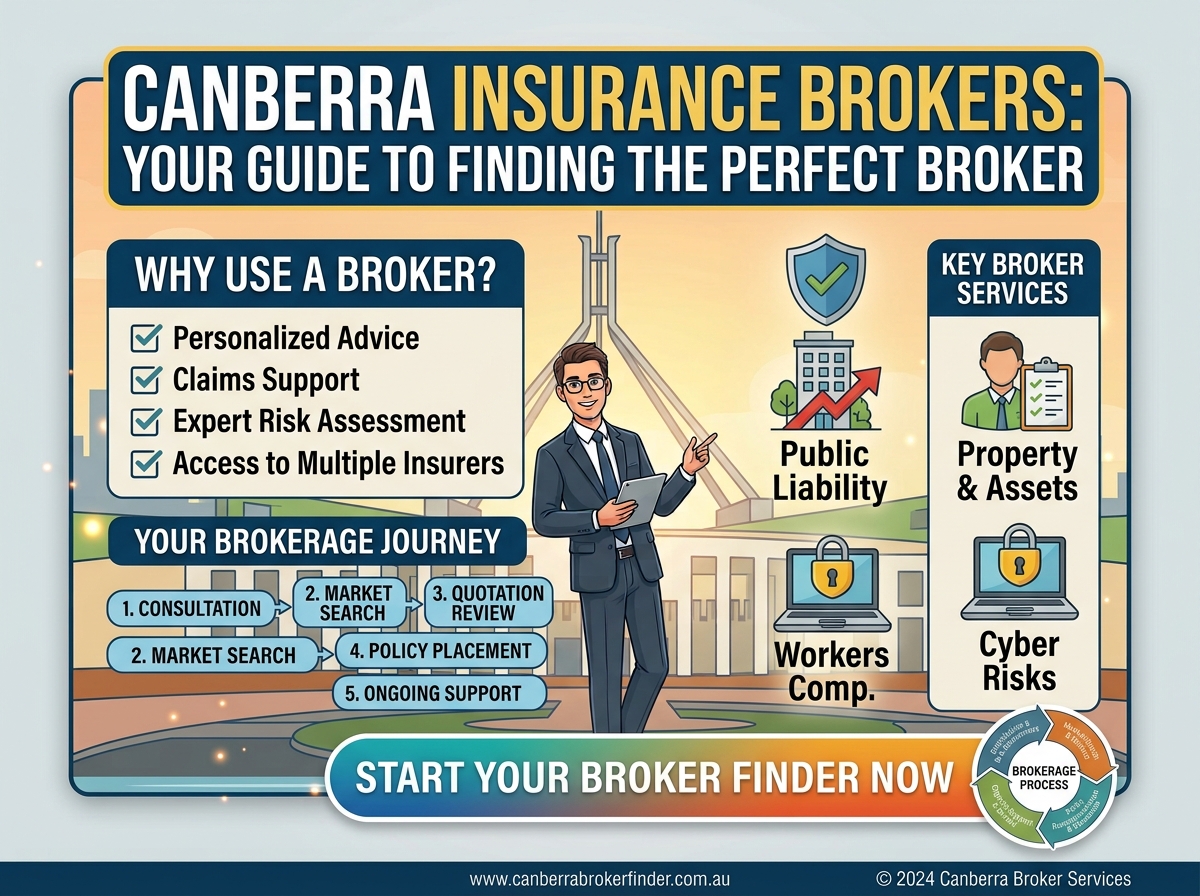
Why Use Canberra Insurance Brokers?
A local broker can be useful when a business has questions that go beyond a simple online quote.
Business.gov.au states that insurance brokers can access policies from multiple insurance companies and recommends checking a broker's AFS licence status through ASIC's professional register.
A broker can help you think through questions such as:
- What type of cover fits my business?
- What liability limit should I consider?
- Do I need professional indemnity as well?
- Does my policy cover the work I actually do?
- What are the major exclusions?
- Is my current policy still appropriate?
- What happens if I add employees?
- What happens if I move premises?
- What happens if I start working under a larger contract?
The value is often in the conversation and review process, not simply the quote itself.
What Should You Take to an Insurance Broker?
To get a useful quote for public liability insurance for small business Canberra, have some basic information ready.
Business details
- Business name
- ABN
- Business structure
- Main services
- Years in operation
Financial information
- Annual turnover
- Estimated future turnover
- Payroll where relevant
Operational details
- Number of employees
- Contractors used
- Where work takes place
- Customer type
- Equipment used
Claims history
Be prepared to explain previous insurance claims.
Contract requirements
Bring any document that says you must hold public liability insurance or meet a particular limit.
The more accurately you describe the business, the more useful the insurance discussion can be.
Common Mistakes Small Businesses Make
Buying insurance based only on price
The cheapest premium does not necessarily mean the best fit.
Using the wrong business description
Your policy should accurately reflect your activities.
Forgetting to update the insurer
Starting new work or changing your operations can affect insurance.
Assuming public liability covers everything
It does not.
Ignoring exclusions
Exclusions can become critical during a claim.
Forgetting contracts
A client may require specific insurance conditions.
Leaving insurance unchanged as the business grows
A business that has doubled in size may no longer need exactly the same insurance structure.
A Simple Public Liability Checklist for Canberra Small Businesses
Before you arrange or renew your policy, ask yourself:
Business activity
What exactly do I do?
Location
Where do I perform the work?
Customers
Who are my customers?
Third parties
Who could be injured or have property damaged?
Contracts
Do my clients require proof of insurance?
Employees
Do I employ workers?
Equipment
What tools, machinery or other assets do I use?
Products
Do I manufacture, sell or supply products?
Professional advice
Do I provide advice or specialist services?
Existing insurance
What do I already have?
Claims
Have I had previous claims?
Changes
Has anything about the business changed since my last renewal?
These questions can help identify where a professional review may be worthwhile.
Frequently Asked Questions About Public Liability Insurance in Canberra
What is public liability insurance?
Public liability insurance is designed to respond to certain claims involving third-party injury or property damage arising from your business activities, subject to the policy wording, exclusions, conditions and limits.
Is public liability insurance mandatory in Canberra?
Not for every business automatically. Requirements depend on the industry, occupation, activities, contracts and other circumstances. The ACT Government lists public liability as one of the common types of business insurance to consider.
How much does public liability insurance cost in Canberra?
There is no fixed price. The public liability insurance cost Canberra businesses pay can vary depending on business type, turnover, claims history, work activities, coverage limits and other underwriting factors.
Do sole traders need public liability insurance?
A sole trader may need or benefit from public liability insurance depending on the work they perform and the risks involved. Contractual or industry requirements may also apply.
Do contractors need public liability insurance?
Many contractors consider public liability insurance because they may work on customer or commercial premises and because clients may require evidence of cover.
Does public liability cover professional mistakes?
Not generally. Claims involving professional advice, errors or omissions may be more relevant to professional indemnity insurance.
Does public liability cover my own equipment?
Generally, public liability is focused on certain third-party injury or property damage claims. Separate property, equipment or portable equipment cover may be required for your own assets.
Can I get short term public liability insurance?
Short-term options may be available for certain events, projects or temporary activities, depending on insurer requirements and policy terms.
Does home insurance cover my home-based business?
Not necessarily. Business.gov.au warns that standard home insurance policies often do not cover business activities.
How do I find an insurance broker in Canberra?
Look for an appropriately authorised broker, ask about relevant business experience, explain your activities clearly and compare policy coverage rather than only premiums. Business.gov.au recommends checking a broker's AFS licence status through ASIC's professional register.
When Should You Review Your Public Liability Insurance?
You do not have to wait for renewal to review your policy.
It is worth speaking with your broker when:
- You start a new service
- You sign a major contract
- You move premises
- You hire employees
- You use more subcontractors
- You start selling products
- You buy expensive equipment
- Your turnover changes significantly
- You begin working at new types of locations
- You receive a new client insurance requirement
Business.gov.au recommends reviewing business insurance regularly and when significant business circumstances change.
For a growing Canberra business, an annual review can be a simple way of checking that the policy still reflects reality.
Public Liability Insurance in Canberra: The Bottom Line
For a small business, public liability insurance is not about expecting something to go wrong.
It is about recognising that accidents happen and that even a small incident can become financially serious.
A sole trader working in a customer's home has a different risk profile from a café in Braddon.
A landscaper in Gungahlin has a different exposure from an IT contractor in Civic.
A builder in Hume has different requirements from a consultant in Barton.
That is why public liability insurance for small business Canberra owners arrange should be based on their actual work, not a generic checklist.
If you are a contractor, look carefully at your work activities and client requirements.
If you are a sole trader, do not assume that being a one-person business means your liability risk is automatically small.
If you are comparing public liability insurance cost Canberra, look beyond the premium and compare the actual cover.
If you need contractor public liability insurance Canberra, make sure the policy reflects the work you perform.
And if you are not sure where to start, speaking with an appropriately authorised insurance broker in Canberra can help you understand the options available.
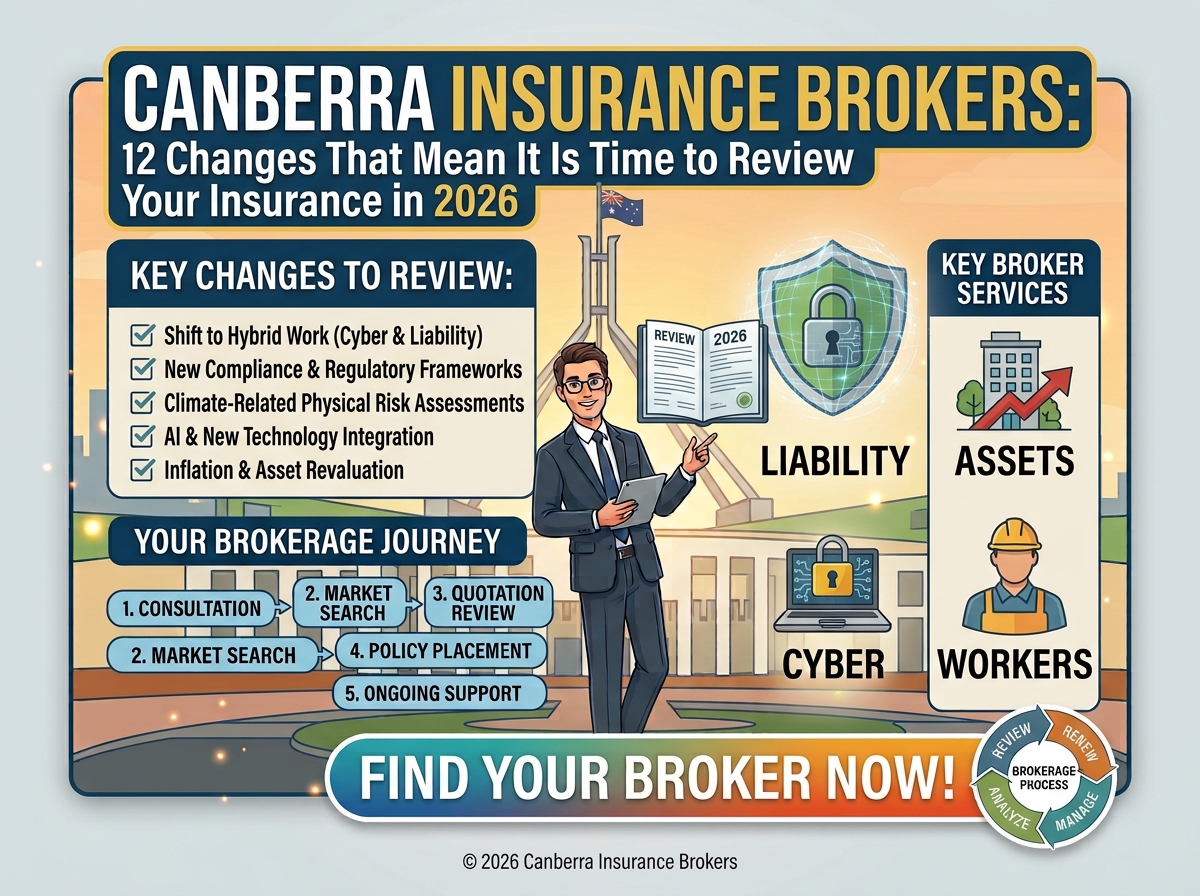
Canberra businesses can use government guidance, their industry requirements and professional insurance advice to build an insurance program that fits the way they actually operate.
The most important thing is to avoid guessing.
Understand your risks.
Read your policy.
Know the exclusions.
Keep your information current.
And review your insurance when your business changes.
For a small business, that can make the difference between simply having an insurance policy and having insurance that is genuinely useful when you need it.
Ready to review your public liability cover? Canberra Insurance Brokers can help you explore public liability insurance options for businesses and contractors across Canberra and the ACT, based on your business activities and requirements.
General advice warning: This article provides general information only and does not take into account your objectives, financial situation or needs. Insurance products have specific terms, conditions, exclusions, limits and excesses. Always read the relevant Product Disclosure Statement and policy wording before purchasing insurance, and consider obtaining appropriate professional advice.









.png)



Get in Touch With Us
Have questions about insurance? Our experienced brokers are here to help you find the right coverage.