
What Insurance Does Your Canberra Business Need? A Guide for Food, Automotive and Transport Businesses

Running a business in Canberra involves more than managing customers, staff and daily expenses. From a customer slipping inside a café to an accident involving a delivery truck, an unexpected incident can create legal costs, damage business assets or interrupt income.
The right insurance depends on what your business does, the property and vehicles you use, the people you employ and the risks you face.
For many local businesses, this means looking beyond a single policy. Public liability insurance, professional indemnity, business property insurance and commercial motor insurance may each have a role. Food businesses may also need protection for equipment and stock, while automotive workshops and transport operators have their own specialised risks.
Working with a Canberra insurance broker can help you understand the available options, compare policy terms and identify potential gaps before they become expensive problems.
Here is what food businesses, automotive operators, truck owners and other local businesses should consider when reviewing their insurance.
Why Business Insurance Should Match Your Industry
Two businesses with similar annual turnover can face very different risks.
A café in Braddon relies on refrigeration, kitchen equipment, customer safety and consistent food service. An automotive workshop in Fyshwick may work with customers' vehicles, expensive tools, vehicle lifts and repair equipment. A transport operator may depend on trucks, trailers, cargo and delivery schedules.
A standard approach may overlook important differences between these operations.
A suitable insurance arrangement should reflect your actual business activities, assets, contractual obligations and potential liabilities.
Depending on the circumstances, a business insurance package may include:
- Public liability and product liability insurance.
- Professional indemnity insurance.
- Buildings, contents, stock and equipment cover.
- Business interruption insurance.
- Commercial motor or fleet insurance.
- Equipment breakdown protection.
- Cyber insurance and management liability.
- Workers compensation where required.
Not every business needs every policy. The aim is to identify the risks relevant to your operations and understand how each policy responds.
You can explore the available options through business insurance in Canberra.
Public Liability and Indemnity Insurance: Understanding the Difference
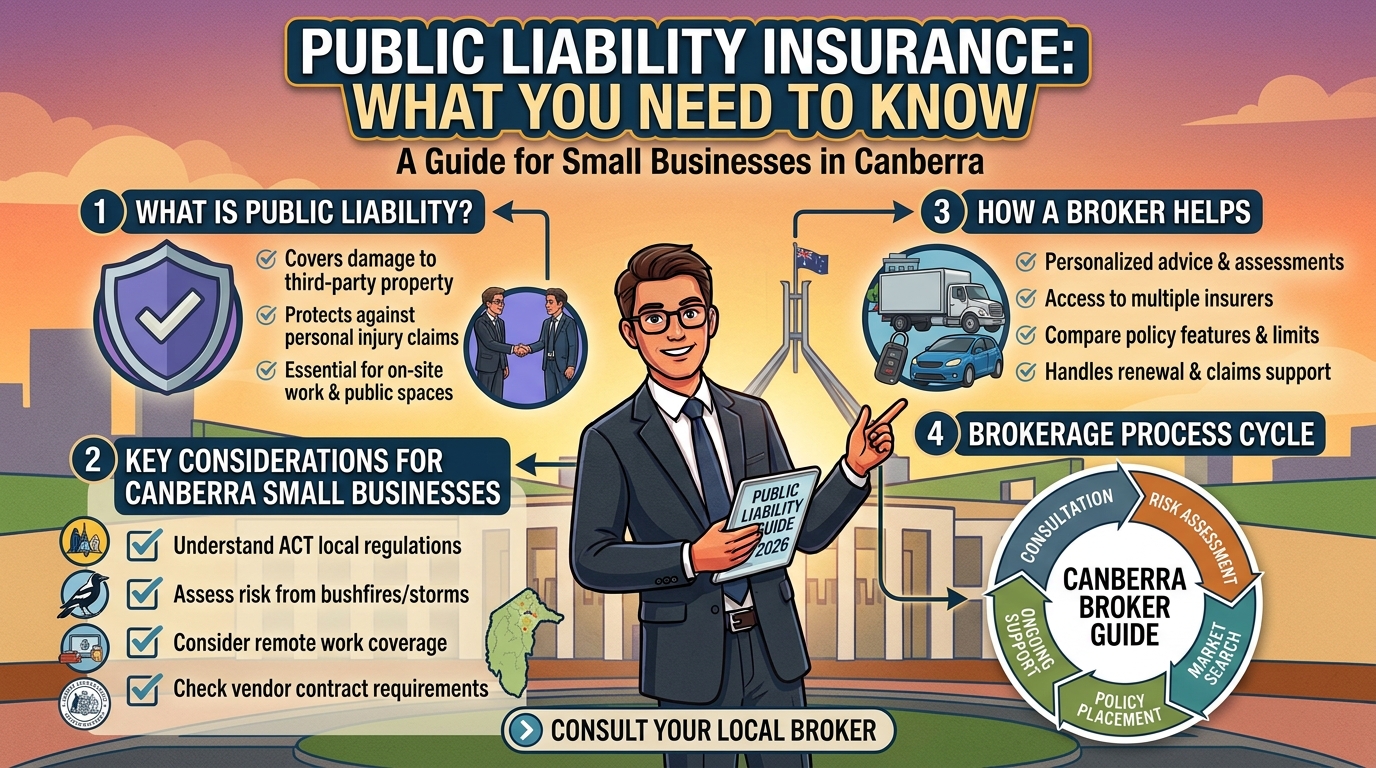
Public liability and professional indemnity are often discussed together, but they protect against different types of claims.
Understanding that difference is important when choosing insurance for your business.
What is public liability insurance?
Public liability insurance can help protect a business against covered claims involving injury to another person or damage to someone else's property arising from its business activities. Cover depends on the policy wording, limits, conditions and exclusions.
For example, a customer could slip on a wet floor in a restaurant. A tradesperson might accidentally damage a client's property while carrying out work. A supplier visiting business premises could suffer an injury.
In these situations, public liability insurance may help with covered legal liability and associated legal defence costs.
Public liability insurance does not automatically cover damage to your own equipment, employee injuries, professional mistakes or every product-related claim. Those risks may require separate or additional cover.
For Canberra businesses that regularly interact with customers, suppliers, contractors or the public, it is worth reviewing the level of liability protection required by their activities and contracts.
Learn more about public liability insurance in Canberra.
When do you need professional indemnity insurance?
Professional indemnity insurance generally relates to claims alleging negligence, errors, omissions or other covered failures in professional advice or services.
It may be relevant to consultants, accountants, architects, IT service providers, engineers and other professionals whose clients rely on their expertise.
For example, a consultant may provide advice that a client alleges caused a financial loss. Depending on the circumstances and policy terms, professional indemnity insurance may help with the resulting legal defence costs and covered liabilities.
The distinction is straightforward: public liability generally addresses certain third-party injury and property damage claims, while professional indemnity addresses certain claims arising from professional services.
Businesses that provide advice and also interact with the public may need to consider both.
For more detail, visit professional indemnity insurance in Canberra.
Insurance for Food Businesses: Cafés, Restaurants and Caterers
Food businesses face a mix of customer, property, equipment and product-related risks. A single incident can affect more than one part of the operation.
A restaurant might experience a kitchen fire. A café could lose refrigerated stock after equipment failure. A caterer might be responsible for food supplied at an off-site event. Each situation raises different insurance questions.
When arranging insurance for a food business, consider the following areas.
Public and product liability
Public liability can address certain third-party injury and property damage claims arising from business activities.
Product liability is also important for businesses that prepare, sell or supply food. A claim alleging that food caused illness, for example, may involve product liability considerations. The policy must be checked carefully to understand the protection available and any exclusions.
Food businesses should not assume that every food-related claim is automatically covered simply because they hold public liability insurance.
Equipment breakdown and stock protection
Commercial kitchens rely on fridges, freezers, ovens, cooktops, dishwashers and other specialised equipment.
If an essential machine stops working, the cost may include repairs, replacement equipment and spoiled stock. Depending on the policy, equipment breakdown cover may help with eligible repair or replacement costs, while deterioration-of-stock cover may address certain losses caused by refrigeration failure.
These protections are subject to specific conditions, limits and exclusions.
Property and business interruption
Buildings, furniture, kitchen equipment, stock, signs and other business assets can represent a substantial investment.
Property insurance may help cover insured damage to eligible assets. Business interruption insurance may help with certain lost income or additional operating expenses following an insured event that interrupts operations, subject to the policy's requirements and waiting periods.
This is worth considering if a forced closure would leave the business unable to generate its usual revenue while rent, wages and other expenses continue.
Catering, food trucks and market stalls
Mobile food businesses have additional considerations.
A food truck owner may need to review commercial vehicle insurance as well as liability, equipment and food-related risks. Caterers should discuss work at off-site venues, delivery activities and contractual requirements. Market stall operators should check the insurance requirements imposed by organisers, landlords or event venues.
Canberra Insurance Brokers provides information about café and restaurant insurance for businesses that want to review their hospitality insurance needs.
Automotive Business Insurance: Protecting Workshops and Vehicle Businesses
Automotive businesses often deal with assets that belong to other people. This creates risks that go beyond ordinary premises insurance.
A mechanic may be repairing a customer's vehicle when an incident occurs. A workshop could suffer damage to a vehicle lift or diagnostic equipment. A dealership may hold vehicles for sale, while a mobile mechanic travels to customer locations.
The right automotive business insurance should reflect the specific services offered and the way vehicles are handled.
Protecting the premises, tools and equipment
Depending on the business, relevant cover may include commercial property, contents, tools, equipment and machinery insurance.
A workshop may invest in diagnostic computers, vehicle lifts, compressors and specialised tools. A fire, theft or insured equipment incident could cause significant expenses.
Check how policies treat portable tools, equipment away from the premises, machinery breakdown and items owned by customers.
Vehicles in your care
One of the most important questions for an automotive business is what happens when a customer's vehicle is damaged while being repaired, serviced, stored or moved.
Standard public liability or property cover should not be assumed to cover every vehicle in a business's care, custody or control.
Motor trade insurance or other specialised arrangements may be appropriate, depending on the operation and available policies. Businesses should specifically disclose activities such as test-driving, vehicle storage, roadside repairs, towing or buying and selling vehicles.
Liability and professional services
Public liability may be relevant to certain third-party injury or property damage claims arising from workshop activities. Product liability may also be worth considering where the business supplies or installs parts or products.
For automotive businesses providing technical assessments, consultancy or specialist advice, ask whether professional indemnity is relevant to the services offered.
A workshop, mobile mechanic and vehicle dealership do not necessarily need identical insurance. A detailed review helps identify which cover is relevant to each operation.
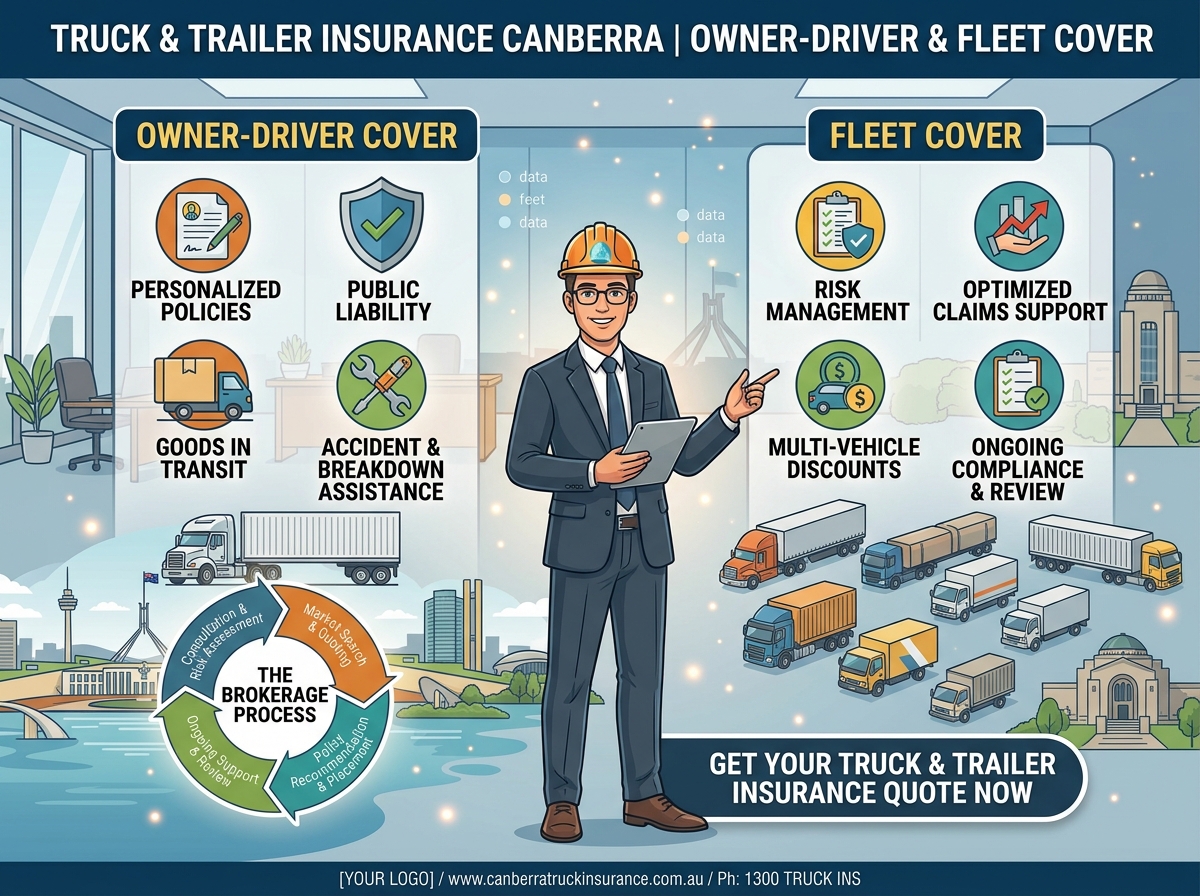
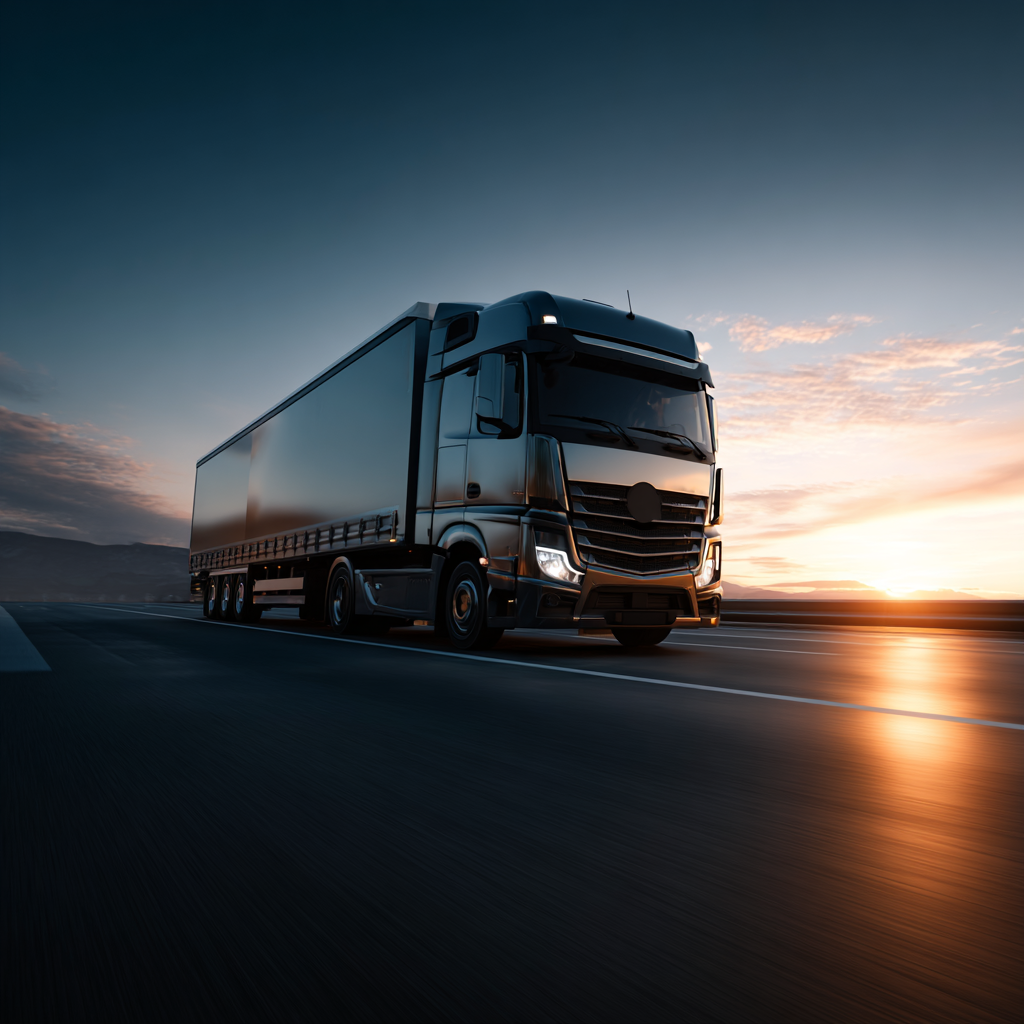
Truck Insurance Canberra: More Than Cover for the Vehicle
For transport businesses, trucks are often essential income-producing assets. If a vehicle is damaged or unavailable, the consequences may extend beyond the repair bill.
A delivery business might miss customer deadlines. An owner-driver could lose income while a truck is off the road. A transport operator might face costs associated with a damaged trailer or goods being carried.
When comparing truck insurance in Canberra, consider the whole transport operation rather than focusing only on the truck's market value.
Depending on your business, relevant options may include:
- Truck and commercial motor insurance.
- Trailer insurance.
- Third-party motor liability.
- Goods in transit or cargo insurance.
- Fleet insurance for multiple vehicles.
- Public liability for other business activities.
- Business interruption or other operational protections, where available and suitable.
The policy should reflect the type of truck, how it is used, the drivers, travel routes and loads carried.
A refrigerated truck transporting food, for example, has different operational considerations from a tipper working on construction sites. An owner-driver may need a different arrangement from a company operating a fleet.
It is also important to establish whether a trailer is insured separately, what happens when it is detached and whether goods in transit are covered under a separate policy.
Commercial motor insurance should not be confused with compulsory motor accident personal injury cover associated with vehicle registration. These serve different purposes.
For a closer look at the available considerations, read our guide to truck and trailer insurance in Canberra.
Commercial Automobile Insurance and Business Vehicle Insurance
Many businesses use vehicles every day without operating a transport company.
A plumber may drive a ute carrying tools. A sales representative might visit clients in a company car. A retailer may use vans for local deliveries, while a service business could send several vehicles to customer sites.
Commercial automobile insurance, often described in Australia as commercial motor or business vehicle insurance, should reflect how the vehicle is actually used.
A personal motor policy should not automatically be assumed to cover every business activity. Regular deliveries, carrying tools or stock, visiting customer sites, transporting goods and allowing multiple employees to drive may affect the insurance requirements.
When reviewing business vehicle insurance, consider:
- Whether the vehicle is used privately, commercially or for both.
- Whether it carries tools, stock, equipment or customers' goods.
- Who is permitted to drive it.
- Whether the vehicle travels interstate.
- The value of the vehicle and any modifications.
- Whether the business operates one vehicle or a fleet.
Businesses with several cars, vans and utes may want to compare fleet options with individual policies. The appropriate arrangement depends on the business, vehicle mix, insurer and policy conditions.
When comparing business and auto insurance options, remember that motor cover and the wider business insurance program may address different exposures. A vehicle policy will not automatically protect the business premises, stock, professional advice or every liability arising from its activities.
For businesses using trucks and other commercial vehicles, see Canberra Insurance Brokers' transport insurance options.
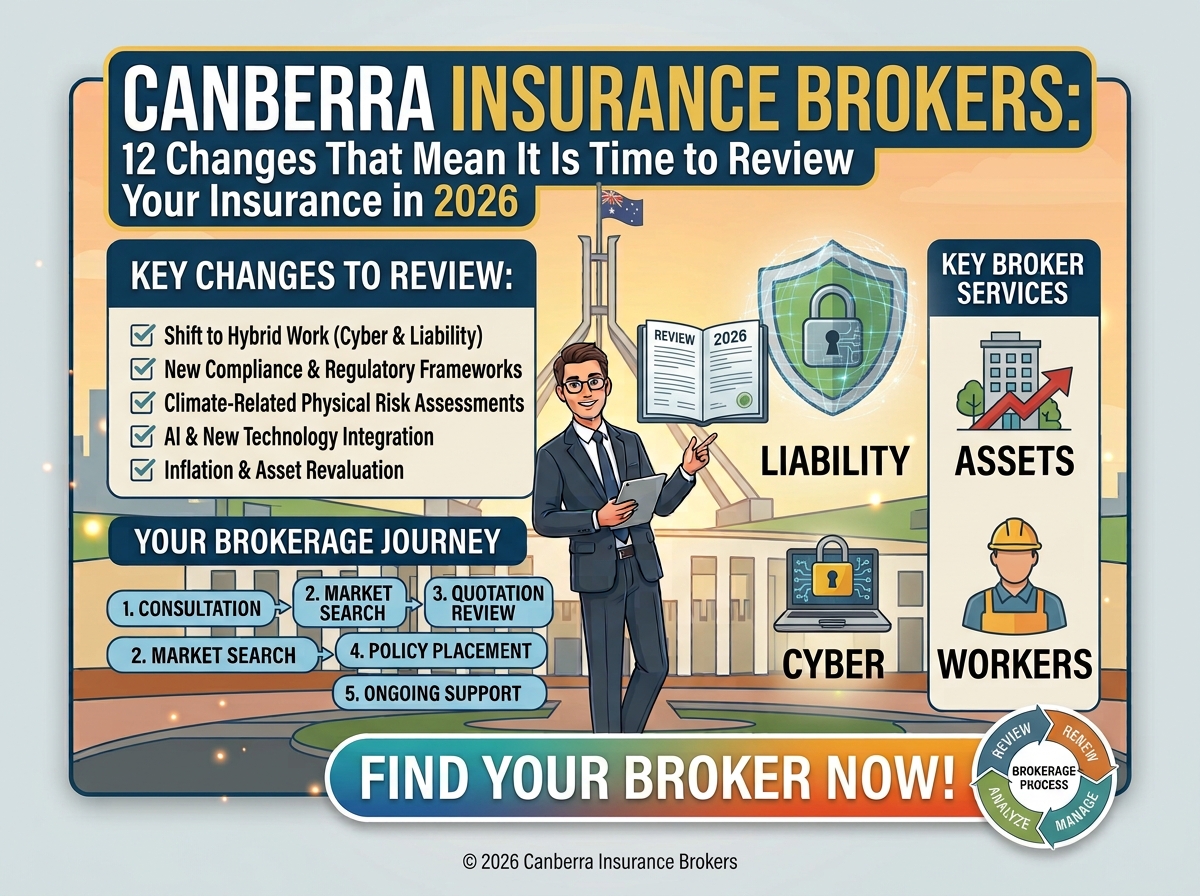
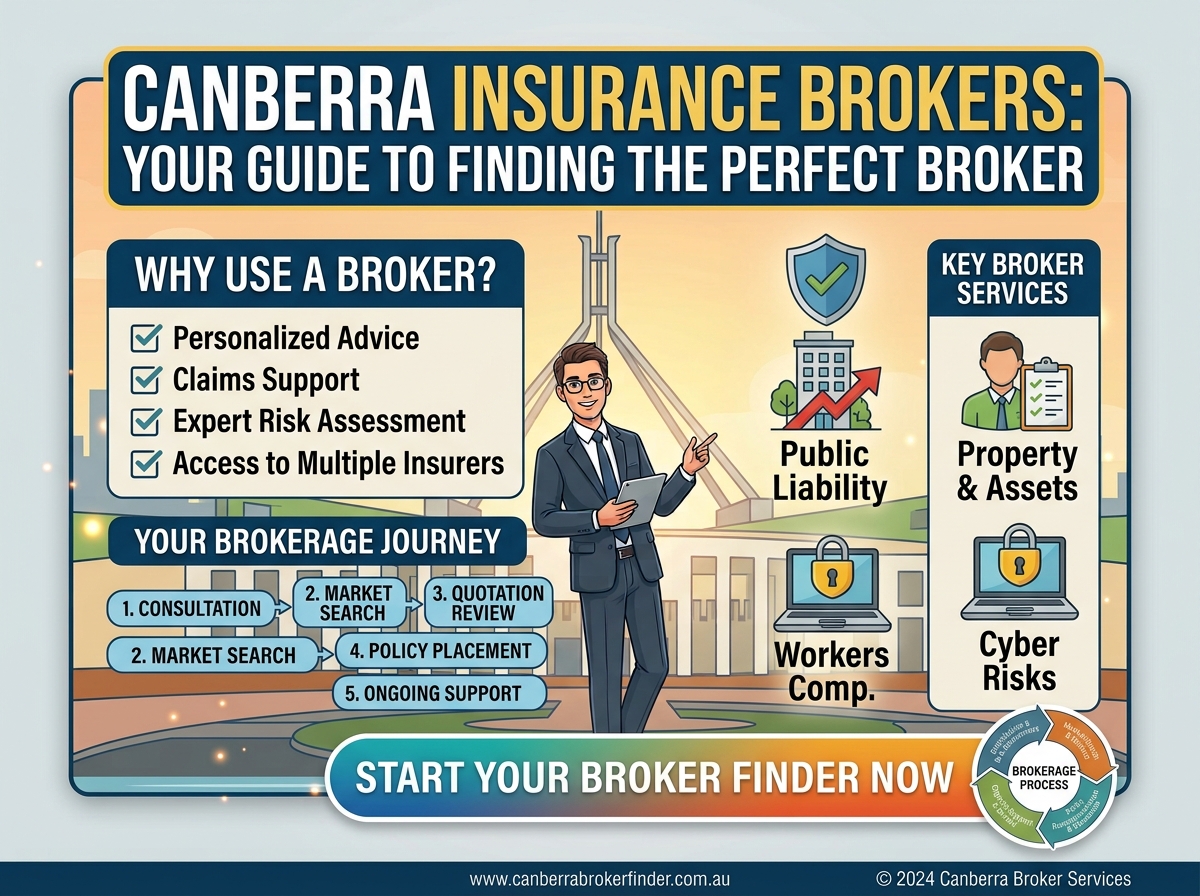
How to Choose a Business Insurance Broker in Canberra
Choosing a business insurance broker in Canberra should involve more than obtaining a premium figure.
The value of a review lies in understanding what the policy covers, what it excludes and whether it reflects the way your business operates.
Before comparing options, prepare details about your business activities, annual turnover, premises, equipment, employees, vehicles and previous claims. Include any contracts that specify minimum insurance limits or require a certificate of currency.
Then discuss the following questions with your broker.
Does the policy cover the work we actually do?
Describe your services, customers, subcontractors, deliveries and any specialised activities accurately.
Are liability limits suitable for our contracts?
Some landlords, event organisers and commercial customers require specified liability limits. Review those requirements before choosing cover.
What exclusions and excesses apply?
A lower premium may come with a higher excess, narrower cover or important exclusions. Compare policy wording rather than price alone.
What happens if an insured event interrupts trading?
Understand whether business interruption cover is relevant, what triggers it and which expenses or losses may be covered.
What should we update when the business changes?
New vehicles, additional staff, different services, new premises and changes in turnover can affect insurance arrangements. Ask when the insurer or broker needs to be informed.
For general guidance on assessing insurance options and reviewing policy documents, see the Australian Government's business insurance guidance.
How Much Does Business Insurance Cost in Canberra?
There is no single price for business insurance in Canberra. Premiums depend on the risks being insured and the details of the business.
Factors may include the industry, turnover, payroll, premises, equipment values, claims history, vehicle types, driver details, coverage limits and excesses.
A food business with expensive refrigeration equipment may have different needs from an office-based consultancy. A truck operator travelling long distances may face different underwriting considerations from a business using a small van for local deliveries.
The best starting point is to establish the cover you need, then compare suitable options against their policy terms, limits and exclusions.
Avoid choosing a policy solely because it has the lowest premium. A cheaper policy may not provide the protection your business expects.
Frequently Asked Questions
Is public liability insurance compulsory for every Canberra business?
No. Public liability insurance is not universally mandatory for every business in the ACT. However, specific activities, contracts, landlords, clients or event organisers may require it. Businesses should check the obligations that apply to their circumstances.
What is the difference between public liability and professional indemnity?
Public liability generally addresses certain third-party injury and property damage claims arising from business activities. Professional indemnity generally addresses certain claims arising from professional advice or services, including alleged errors or negligence. The relevant policy wording determines the cover available.
What insurance does a food business need?
A food business may need public and product liability, property and contents insurance, equipment breakdown, stock protection and business interruption cover. Requirements vary according to the business's activities, premises, equipment and contractual obligations.
Does business vehicle insurance cover personal use?
Some commercial motor policies allow a combination of business and private use, but this depends on the policy. Tell your insurer or broker how the vehicle is used and who drives it. Never assume personal use or commercial activities are covered without checking the terms.
Does truck insurance automatically cover goods in transit?
Not necessarily. Goods in transit or cargo insurance may be a separate consideration. Transport operators should confirm how the truck, trailer, cargo and relevant liabilities are insured.
How do I get a business insurance quote in Canberra?
Prepare your business details, activities, turnover, asset values, vehicle information and any relevant insurance or contract requirements. Contact Canberra Insurance Brokers to discuss your needs and compare available options.
Protect Your Business With the Right Insurance Review
Food businesses, automotive workshops, truck operators and other Canberra businesses face different risks. The most suitable insurance arrangement depends on the work you perform, the assets you rely on and the liabilities you could face.
Reviewing public liability, professional indemnity, property, equipment and commercial motor cover together can help you identify gaps and understand where separate policies may be needed.
Canberra Insurance Brokers can help you discuss your business requirements and explore available insurance options.
Contact Canberra Insurance Brokers
Phone: 1300 069 570
Email: admin@canberrainsurancebrokers.com.au
Visit Canberra Insurance Brokers to discuss your insurance requirements.
General advice warning: Information in this article is general in nature and does not take into account your objectives, financial situation or needs. Policy terms, conditions, limits and exclusions vary. Read the relevant Product Disclosure Statement and policy wording, and consider whether a policy is appropriate for your circumstances before making a decision.
Author: Canberra Insurance Brokers
Recommended reviewer: An appropriately qualified or authorised insurance representative from the business
Category: Business Insurance / Industry-Specific Insurance
External Reference Links
- Australian Government — Types of business insurance
- Australian Government — Managing business insurance
- WorkSafe ACT — Who needs workers' compensation insurance










Get in Touch With Us
Have questions about insurance? Our experienced brokers are here to help you find the right coverage.